Signal Mountain Road

Table of Contents
Start Your Planning With These Local Businesses
Local Businesses
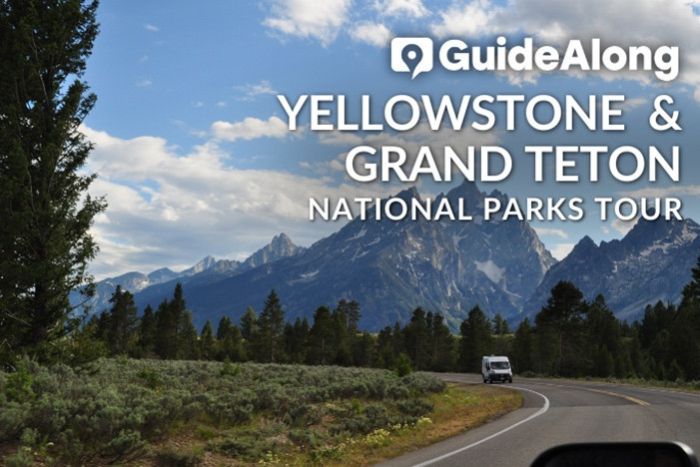



Signal Mountain Road: The 5-Mile Drive That Beats Any Teton Hike for Views
Signal Mountain Road delivers Grand Teton's best panorama without the sweat. Five winding miles, one stunning summit, zero hiking required.
From the top, you'll see the entire 40-mile Teton Range, Jackson Lake stretching north toward Yellowstone, and the Snake River threading through the valley floor. It's the view locals show visiting friends when they want to skip the crowds at Jenny Lake and still blow their minds.
The whole drive takes about 20 minutes, but you'll want an hour minimum. Maybe two if your kids spot a moose (they usually do). The road twists through lodgepole pine forest, opens up to wildflower meadows in early summer, and ends at overlooks where everyone suddenly goes quiet before someone inevitably says "wow."
No RVs or trailers allowed because the road's genuinely narrow, and the turnarounds at the top are tight. But if you're in anything smaller than 25 feet, you're golden.
What You Need to Know Before You Go
- Road opens: Early May through mid-October (weather dependent)
- Elevation gain: 800 feet over 5 miles
- Drive time: 20 minutes up; plan 45-60 minutes total
- Cost: Your park pass covers it
- Pet policy: Leashed in parking lots and vehicles only
- Best for families: Kids 5+ who can handle curvy roads without getting carsick
Getting There (Without Getting Lost)
From Moose Junction (near Jackson), drive 16 miles north on Teton Park Road. The Signal Mountain turnoff is marked, hard right.
Coming from Jackson Lake Junction or Yellowstone, head south 8 miles and turn left at the sign.
Either way, it's obvious once you're looking for it. The road starts just past Signal Mountain Lodge.
What to Expect on the Drive
The road snakes uphill through forest at first. Pullouts appear every half mile or so, and you'll want to use them because stopping mid-road is both illegal and genuinely dangerous on these curves.
Drive slow. Not just because the park rangers will ticket you, but because elk, moose, and deer cross here constantly at dawn and dusk. Speed limit drops to 45 mph after sunset for a reason. Last summer, a family from Texas hit a bull moose at twilight right near the bottom of the road. The moose walked away. Their rental SUV didn't.
If you see brake lights ahead, it's probably wildlife. Pull into the next turnout, don't just stop where you are.
The Summit: Two Overlooks, One Incredible View
The top of Signal Mountain has two short walking paths to separate viewpoints. Do both. They take maybe 5 minutes each and show completely different perspectives.
From the south overlook, you can spot Jackson town 25 miles away. The north overlook faces Yellowstone country and shows you where Jackson Lake feeds into the Snake River.
The real magic is how Signal Mountain sits slightly apart from the main Teton Range. Most peaks block each other's views when you're standing right in the mountains. Signal Mountain's offset position gives you the whole 40-mile range at once, south to north, with nothing in the way.
Bring binoculars. Seriously. From up here, you can watch moose in the Willow Flats, scan for bears in the forest below, and spot elk herds moving across Timbered Island. On clear mornings, we've counted 30+ elk from the overlook without even trying hard.
Bathroom Situation
Modern restrooms sit near the top parking area. Clean, maintained, usually not crowded even in July. Good to know when you're traveling with kids who announce bathroom emergencies at the worst possible moments.
The Hike Option: Signal Mountain Trail
If your crew wants to earn the view, the Signal Mountain Trail starts near the lodge and climbs 6.8 miles roundtrip to the same summit.
It's moderate, meaning your 10-year-old will probably love it, your 6-year-old might struggle, and your teenager will complain the whole way but secretly enjoy it. Elevation gain is about 800 feet through lodgepole pine forest. Figure 3-4 hours total.
The trail and the road both end at the same overlooks, so families can split up if needed. Someone can drive with younger kids while older kids hike with a parent, then everyone meets at the top.
Fair warning: the hike passes through prime black bear habitat. Make noise, carry bear spray, and check at the ranger station about recent sightings before you start.
Wildlife Watching (And How Not to Mess It Up)
Signal Mountain is ridiculously good for wildlife. Not "maybe you'll see something" good. More like "you'll see something if you're even slightly paying attention" good.
What shows up regularly:
- Black bears in summer (Signal Mountain area, around Jenny Lake, Moose-Wilson Road)
- Moose in willow areas and along streams (early morning, late evening)
- Elk near Timbered Island, Jenny Lake, and scattered across the valley
- Pronghorn on Antelope Flats (year-round, surprisingly fast)
- Coyotes hunting the sagebrush flats near Gros Ventre
Best viewing times are first thing in the morning and last two hours before sunset. Animals move when it's cooler, hide when it's hot. Simple.
The Rules Everyone Ignores (Don't Be That Family)
Stay 100 yards from bears and wolves. Stay 25 yards from everything else. If an animal stops what it's doing to look at you, you're too close.
Don't feed anything. Don't approach anything. Don't let your kids run toward the "nice deer." Moose kill more people in this park than bears do, and they look harmless right up until they're stomping someone into the ground.
Last month, a family got cited $500 because their 8-year-old tried to pet an elk calf while mom took photos. Rangers don't care that your kid loves animals. They care that wildlife stays wild and visitors stay safe.
Wildflowers (Late June Through July)
Early summer turns the Signal Mountain hillsides into something out of a screensaver. Red Indian Paintbrush, purple Lupine, white Yarrow covering the meadows in waves.
Higher up, you'll find Columbine, Wild Roses, and half a dozen types of Phlox. Peak bloom usually hits around July 4th weekend, but that also means peak crowds.
Turn it into a game with kids: who can spot the most colors before the next curve? Download a plant id app beforehand and let them play junior botanist. Beats "are we there yet" by a mile.
Photographers should aim for early morning or late afternoon light. Midday sun washes everything out.
Signal Mountain Lodge: Your Basecamp
Right at the bottom of the road, Signal Mountain Lodge sits on Jackson Lake's shore and functions as adventure headquarters for this part of the park.
They've got rustic log cabins, standard rooms, and lakefront suites with Teton views that make your morning coffee taste better. The lodge rents kayaks, canoes, and motorboats if you want to get on the water. They also book guided fishing trips and Snake River float tours.
The restaurant serves solid food with a view. Nothing fancy, everything reliable. Their huckleberry milkshakes are legitimately famous. Kids inhale them.
Location matters more than luxury here. You're 5 minutes from the mountain road, 15 minutes from Colter Bay, and 20 minutes from Jenny Lake. It's the kind of spot where you can roll out of bed, see moose from your cabin porch, and be on a trail by 8 AM without driving anywhere.
Signal Mountain Campground
Next door, the campground offers 80 sites tucked into lodgepole forest with Jackson Lake and Mount Moran views from many spots.
Sites accommodate tents or RVs up to 30 feet. You get picnic tables, fire rings, and bear-proof food boxes (use them because bears here are smart and persistent). Four comfort stations provide flush toilets, hot water, and potable water. Coin showers and laundry near the entrance.
25 sites have electric hookups (30 and 50-amp). One loop is generator-free if you prefer quiet.
The catch: Sites fill by noon during summer. Book six months out on Recreation.gov or accept you're probably not getting in. We've seen families show up in July without reservations and have to drive 45 minutes to find something available.
Pets are fine on leash (under 6 feet), but not on trails or in backcountry. Food and bowls must go in the bear boxes.
One bathroom is wheelchair accessible, showers are fully ADA compliant, but the campground terrain itself is hilly and can be challenging for wheelchairs.
The Geology Story (For Families Who Ask "Why")
Signal Mountain isn't just pretty. It's old. Like, 2.5 billion years old at the base old.
The summit sits on Cambrian sandstone (510 million years), which covers Precambrian crystalline rock (2.5-2.8 billion years). That's some of Earth's oldest foundation, just sitting there under your feet while you're eating snacks and taking photos.
The dramatic Teton peaks you're looking at rose through the Teton Fault, which displaced rock by 30,000 vertical feet. That's more than five miles of uplift. Most of it happened in the last 9 million years, which is basically yesterday in geological time.
Jackson Hole valley below you is the "down" side of that fault. The mountains are the "up" side. Simple concept, dramatic results.
Evidence of Yellowstone's volcanic eruptions shows up here too. The hotspot started influencing this region 5 million years ago, with major eruptions between 2 million and 640,000 years ago. Those events triggered earthquakes and further uplift of the Tetons.
And those sharp peaks and U-shaped valleys? Carved by alpine glaciers during the last ice age, when ice filled Jackson Hole valley 2,000 feet deep. Eleven active glaciers still exist in the park today, slowly sculpting the landscape.
Explaining deep time to kids is tricky, but standing on 2.5-billion-year-old rock while looking at 9-million-year-old mountains makes it click in a way textbooks never do.
FAQs (The Questions Everyone Actually Asks)
Is Signal Mountain Road open in winter?
No. It closes mid-October and reopens early May, depending on snow. Check current conditions before driving up.
Can we take our RV?
No. The road is too narrow and winding for RVs, trailers, or anything over 25 feet total length. Park your rig at the lodge or campground and drive your tow vehicle.
How long should we plan?
Minimum 45 minutes if you're just driving up and back. Plan 60-90 minutes if you want to stop, look around, and actually enjoy it. Double that if you're prone to wildlife sightings.
Are there bathrooms at the top?
Yes, modern facilities near the parking area.
Can our dog come?
Yes, leashed in vehicles and parking lots. No, not on trails or in backcountry anywhere in the park.
When do wildflowers peak?
Late June through July, with the best show usually around July 4th weekend.
Will we see wildlife?
Probably. Early morning and late evening are best. Bring binoculars and patience.
Can kids hike to the summit instead of driving?
Yes, if they're 8+ and comfortable with moderate trails. The Signal Mountain Trail is 6.8 miles roundtrip with steady elevation gain. Younger kids should probably drive.
Bottom Line
Signal Mountain Road works because it's efficient. Twenty minutes of driving gets you an hour's worth of hiking views. You can do it between breakfast and lunch, or squeeze it in before sunset if you slept in.
It's not a wilderness experience. You'll share the overlooks with other families taking the same photos. But for sheer bang-for-your-buck scenery, especially with kids who aren't thrilled about 8-mile hikes, it's hard to beat.
Go early if you can. Go late if you can't. Just go because this is the view that makes people understand why the Tetons are worth the drive.